Day 4 · Friday, 13 March 2026
Gold Cup Day
The greatest day in jump racing. Three miles, two furlongs, 22 fences — and the most coveted prize in the sport. This is what Cheltenham Festival is all about.
The greatest day in jump racing. Three miles, two furlongs, 22 fences — and the most coveted prize in the sport. This is what Cheltenham Festival is all about.
Gold Cup Day is the culmination of four extraordinary days of racing at Cheltenham Festival — the day when the sport of jump racing presents its very best to the world. The Cheltenham Gold Cup, run over three miles and two furlongs with 22 fences, is the supreme test of horse and jockey in National Hunt racing, and winning it is the dream of every trainer, owner, jockey and stable hand in the sport.
The Gold Cup has a history stretching back to 1924, and its roll of honour reads like a hall of fame for jump racing — Golden Miller, who won five consecutive Gold Cups in the 1930s; Arkle, the Irish legend who dominated the 1960s; Dawn Run, the remarkable mare who became the only horse to win both the Champion Hurdle and the Gold Cup; Desert Orchid, Kauto Star, Best Mate, Synchronised, Coneygree and Sizing John, each a champion in their own era.
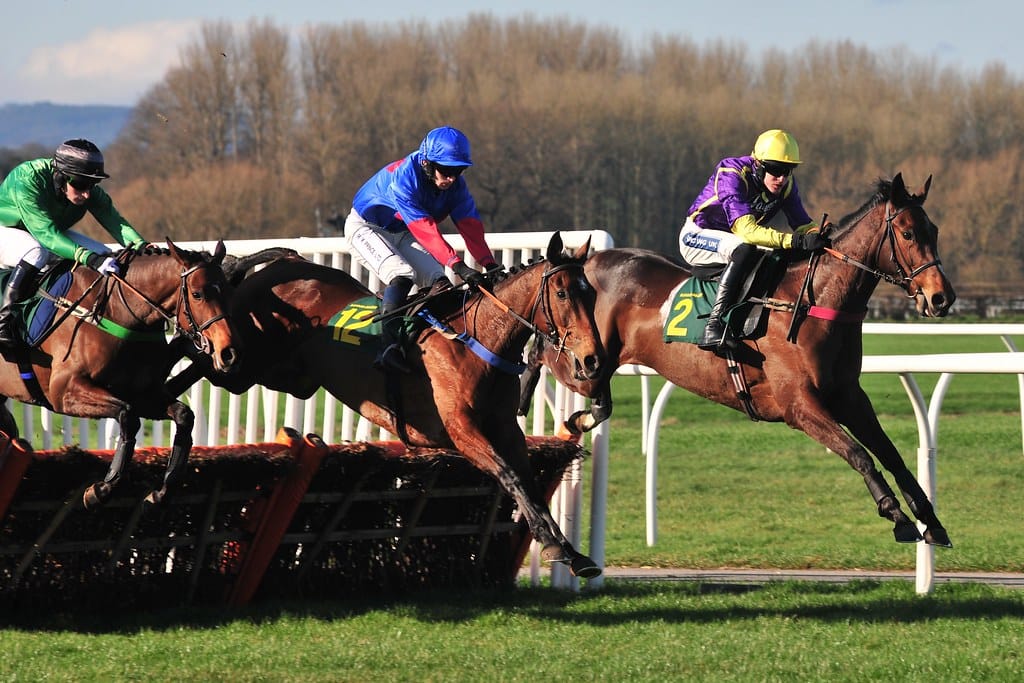
But Gold Cup Day is far more than its centrepiece. The JCB Triumph Hurdle opens proceedings with the juvenile hurdle championship, showcasing the four-year-old hurdlers who could be major Festival players for years to come. The County Hurdle is one of the most competitive handicap hurdles of the week, and the Albert Bartlett Novices' Hurdle provides a three-mile test for staying novice hurdlers who might be future Gold Cup horses themselves.
After the Gold Cup itself, the Foxhunter Challenge Cup Chase, Grand Annual Chase and Martin Pipe Corinthian Club Handicap Hurdle round off what is invariably an unforgettable day and an unforgettable week at the greatest jump racing venue in the world.
| # | Race Name | Distance | Class / Grade | Type |
|---|---|---|---|---|
1 |
JCB Triumph Hurdle |
2m 1f | Grade 1 | Juvenile Hurdle (4yo) |
2 |
County Handicap Hurdle |
2m 1f | Grade 3 | Handicap Hurdle |
3 |
Albert Bartlett Novices' Hurdle |
3m 80y | Grade 1 | Novices' Hurdle |
4 |
Cheltenham Gold Cup ChaseFeature |
3m 2f 70y | Grade 1 | Championship Chase |
5 |
Foxhunter Challenge Cup Chase |
3m 2f 70y | Listed | Hunters' Chase |
6 |
Grand Annual Chase |
1m 7f 199y | Grade 3 | Handicap Chase |
7 |
Martin Pipe Corinthian Club Handicap Hurdle |
2m 4f 127y | Grade 3 | Conditional Jockeys' Handicap Hurdle |
The JCB Triumph Hurdle is the four-year-old juvenile hurdling championship of the Festival — a race exclusively for horses who were foaled in 2022 (for the 2026 renewal) and who have therefore had no more than one full season over hurdles before arriving at Cheltenham. The race has an outstanding record for throwing up future stars of the sport, with Triumph winners going on to contest and win Champion Hurdles and Stayers' Hurdles in subsequent seasons.
The Triumph Hurdle has a flavour all of its own. Four-year-olds racing on the Festival stage for the first time bring an element of unpredictability that older, more experienced horses do not possess — both in terms of their raw talent, which can be exceptional, and their potential inexperience, which can manifest in running errors or disappointing performances under the enormous pressure of Festival day.
The key preparation routes for the Triumph Hurdle are the Triumph Trial at Cheltenham (the Prestbury Park Juvenile Hurdle), the Grade 1 juvenile hurdles at Leopardstown over Christmas, and the Adonis Juvenile Hurdle at Kempton. Horses who have won Grade 1 juvenile hurdles in Ireland often arrive as heavy favourites, and the Mullins and Elliott yards have a tremendous record in this race.
Betting Approach: The Triumph Hurdle market is usually led by an Irish-trained juvenile of exceptional quality who has destroyed its rivals during the season. If such a horse exists, it is usually worth taking the market price rather than trying to find value against it. In open renewals, focus on horses who have won at least one Grade 1 juvenile hurdle and who have the pedigree to handle Cheltenham's testing track.
The County Handicap Hurdle is one of the Festival's most famous and most popular betting races — a sprint handicap over two miles and one furlong that produces one of the most exciting finishes of the entire Festival as 20-plus hurdlers thunder up the Cheltenham hill in a tight, passionate cavalcade. The race has been producing dramatic finishes and big-priced winners since it was first run in 1834, making it one of the oldest races in the Festival programme.
The County Hurdle is a speed-specialist's race, favouring horses who can travel close to the pace in a strongly-run contest and produce a sustained final effort up the hill. The combination of the fast pace, the big field and the testing final hill means that horses who lack the pace to be competitive from the outset are effectively eliminated from contention.
The County Hurdle betting market is notoriously difficult to predict with precision, partly because the race is run at pace that exposes any weakness in a horse's jumping and partly because the large field creates the potential for traffic problems that can end a fancied horse's chance before the final straight. An element of luck is always involved in finding a clear passage through in the County Hurdle.
Betting Approach: Each-way betting is highly recommended in the County Hurdle. With 20+ runners and typically five places paid, there is excellent value to be found among horses at 12/1 and upwards who have the pace profile to be competitive and the course form to handle Cheltenham's demands. Look for horses who ran a solid race at the Festival the previous year, or who have posted strong recent form in fast-run two-mile handicap hurdles.
The Albert Bartlett Novices' Hurdle is the three-mile novice hurdle championship of the Festival — the staying novice equivalent of the Ballymore over a longer distance. Run immediately before the Gold Cup on the same three-mile Old Course circuit, the Albert Bartlett is a race that tests a young horse's stamina to the very limit and identifies the potential staying chasers of the future.
The Albert Bartlett has produced some remarkable horses who went on to win the Cheltenham Gold Cup — Briar Hill, Don Cossack and Sizing John all used this race as a stepping stone to Gold Cup glory, and the race is now firmly established as a key pointer for the staying division over several subsequent seasons.
The race is typically dominated by big, powerful Irish-bred horses with strong staying pedigrees and the jumping ability to maintain rhythm over 12 flights of hurdles at a Gold Cup pace. British-trained challengers who have posted strong form over three miles at trials during the season can represent outstanding value against the Irish market leaders.
Betting Approach: The Albert Bartlett often has a clearer form guide than other three-mile races because the principals typically meet in their Irish or British prep races. The Challow Hurdle at Newbury and the Neville Hotels Novice Hurdle at Leopardstown are both excellent guides. Look for a horse who has won a Grade 1 staying novice hurdle by a comfortable margin — if they stay well and jump cleanly, the Gold Cup trip in future years beckons.
The Cheltenham Gold Cup is the defining race of the National Hunt season — the race that every trainer, jockey, owner and stable hand in jump racing wants to win above all others. First run in 1924, the Gold Cup is staged over three miles, two furlongs and 70 yards on the Old Course, incorporating 22 fences including the notorious third-last, where countless Gold Cup dreams have ended in heartbreak, and the final fence before the gruelling uphill run to the line.
The Gold Cup demands the complete racehorse. A winner must combine the jumping technique of a champion chaser, the stamina of a true stayer, the pace to be competitive in a fast-run Grade 1 contest, and the courage to produce a maximum effort when the race is on the line after more than six minutes of intense physical and mental effort. It is the hardest race in jump racing to win — and that is precisely what makes it so irresistible.
The ante-post market for the Gold Cup opens in the spring following the previous season's race, and the biggest moves typically occur after the autumn Grade 1 chases — the Betfair Chase at Haydock, the JNwine.com Champion Chase at Down Royal, and the Savills Chase at Leopardstown over Christmas. A horse who runs well in the Cheltenham Gold Cup prep race — the Magners Cheltenham Gold Cup Trial at Prestbury Park in January — is invariably taken seriously in the betting.
The history of the Gold Cup is populated with legendary names that define the sport. Golden Miller — five consecutive wins from 1932 to 1936. Arkle — three consecutive wins from 1964 to 1966. Dawn Run — the only horse to win both the Champion Hurdle and the Gold Cup. Desert Orchid — the grey legend who thrilled a generation. Kauto Star — the dual winner who returned to reclaim his crown in 2012. Best Mate — three consecutive wins from 2002 to 2004. In 2026, a new chapter will be written in this extraordinary history.
Betting Approach: The Gold Cup ante-post market is the most heavily traded market in jump racing, and it is essential to engage with it early to get the best prices. Horses who are clear market leaders from January onwards tend to trade at efficient prices, but value can often be found among the second and third horses in the ante-post market who have a genuine chance of winning at a more generous price. Consider the each-way returns carefully — with fields of 10-15 runners, bookmakers typically pay three places, and a place-only bet on a 10/1 shot at one quarter the odds can represent excellent value.
The Foxhunter Challenge Cup is the Hunters' Chase equivalent of the Gold Cup — run over exactly the same course and distance as the sport's most famous race, but restricted to horses who have been hunted during the current season and ridden by amateur jockeys. The Foxhunter is a race with a long and proud tradition, attracting some of the finest hunters and point-to-pointers from Britain and Ireland.
Following the Gold Cup, the Foxhunter provides a wonderfully contrasting spectacle — the amateur jockeys and hunters threading their way around the same Old Course that has just witnessed the ultimate test of professional jump racing. Point-to-point specialists who have excelled over the winter season are the typical winners, often at generous prices.
Betting Approach: Irish point-to-point specialists who have won their prep races convincingly tend to dominate the Foxhunter. Look for horses with multiple wins in open point-to-points during the season, ridden by experienced amateur jockeys with strong records at the Festival. The race can be a tricky betting proposition given the amateur rider factor, but a confident market move in the days before the race is always worth heeding.
The Grand Annual Chase is one of the most unique races of the entire Festival — a two-mile handicap chase with a very low weight limit that produces a field of quick, handy two-mile chasers who race at extraordinary pace around the Old Course. The race is one of the oldest in the Festival programme and has maintained its identity as a fast-run, competitive test of two-mile chasing ability.
The low weight limit in the Grand Annual means it attracts horses who are relatively lightly weighted and who have been campaigned specifically to arrive at the Festival with their official mark looking generous. It is one of the Festival races where the form guide can be most carefully deconstructed by a knowledgeable punter looking for value.
Betting Approach: The Grand Annual is an excellent each-way betting race. With a moderate top weight and a competitive field, every horse has a chance on the weights, and the key differentiator is pace and jumping ability over two miles of Cheltenham's demanding Old Course. Target horses who have run well in quality two-mile handicap chases during the season and who have the speed to match the pace in the Grand Annual's typically frenetic early stages.
The Martin Pipe Corinthian Club Handicap Hurdle is the final race of the Cheltenham Festival — named in honour of Martin Pipe, the most successful jump racing trainer in British history, who transformed the sport during his remarkable career. The race is restricted to conditional jockeys (apprentice riders in National Hunt), giving young riders a chance to showcase their talents on the greatest stage in jump racing.
The Martin Pipe is a two-miles-four-furlong handicap hurdle that often produces a thrilling and sentimental conclusion to the Festival, with young jockeys putting everything into their rides and the Cheltenham crowd giving each horse a passionate welcome as the Festival draws towards its close. The result of the Martin Pipe is always awaited with genuine interest by racing fans who are watching the future stars of the saddle take their first major steps.
Betting Approach: The Martin Pipe provides a fitting conclusion to the Festival's betting. Look for horses whose conditional jockey has already ridden at the Festival in the current week — experience on the course during the week is a significant advantage. Willie Mullins has a strong record in this race and his conditional riders benefit from exceptional preparation and horse quality.
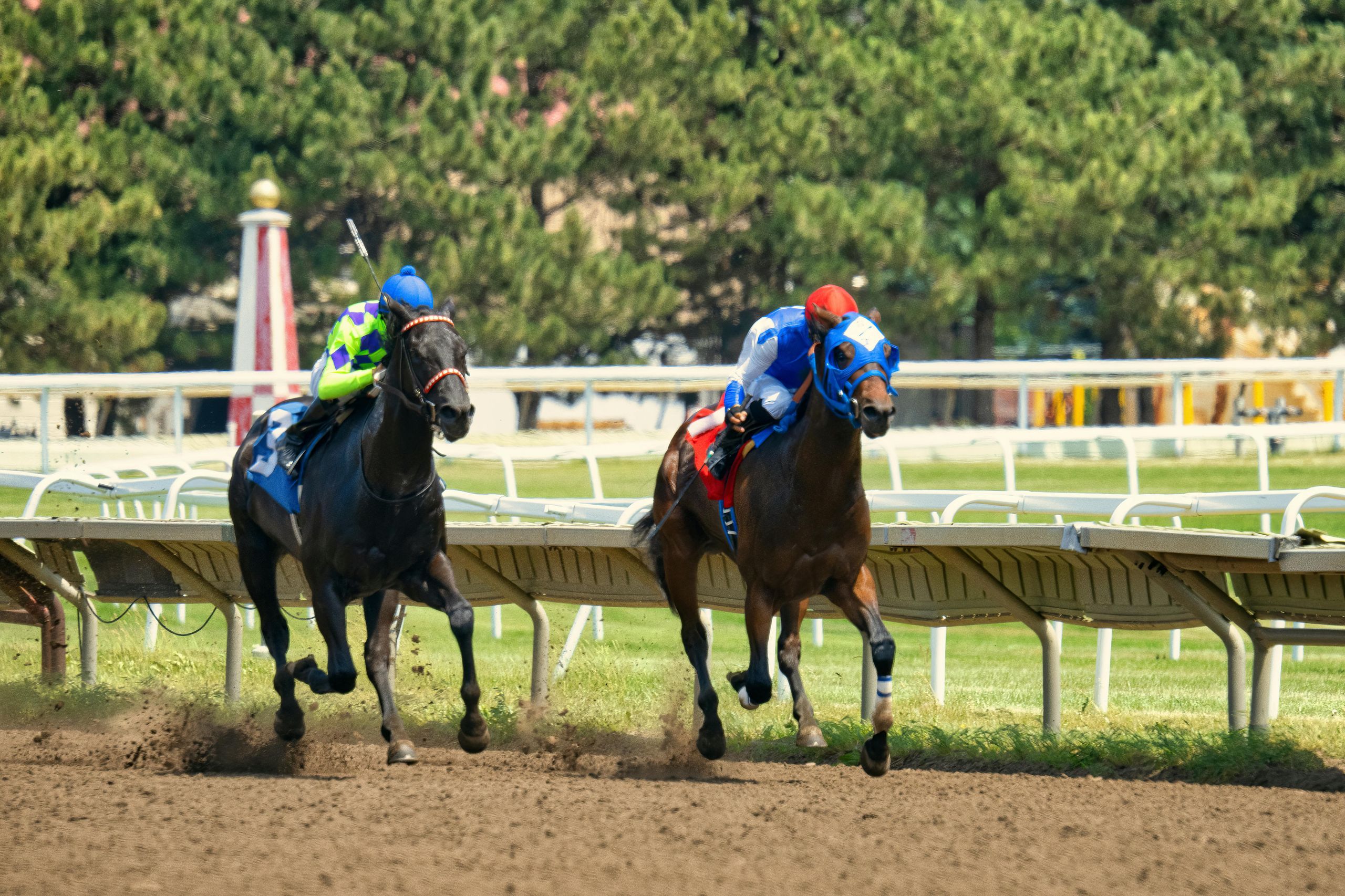
The Cheltenham Gold Cup was first run in 1924, when Red Splash became the inaugural winner of what would become the most sought-after prize in jump racing. In the decades since, the race has produced moments of sporting greatness that transcend horse racing — from Golden Miller's five consecutive victories in the 1930s (a record that almost certainly will never be beaten) to Arkle's majestic trilogy in the 1960s, the race has always attracted the very best.
The modern era of Gold Cup competition has been defined by the rivalry between British and Irish trainers, with Willie Mullins, Gordon Elliott and Henry de Bromhead between them training the winner in the majority of recent renewals. Nicky Henderson and Paul Nicholls fly the flag for British racing with genuine Gold Cup contenders most years, ensuring the race retains its cross-channel dimension.
The Gold Cup trip of three miles, two furlongs and 70 yards on the Old Course is a demanding test that reveals every weakness in a horse's makeup. The race begins with a gallop along the back straight before turning left and beginning the downhill section past the water jump and out into the country. The famous third-last fence at the top of the hill has unseated many champions-in-waiting, and the run from the last fence up the punishing Cheltenham hill to the line has produced some of the sport's most famous finishes.
The Gold Cup finish — from the final fence to the winning post — is the most celebrated 30 seconds in jump racing. The roar that greets the winner crossing the line is a sound that racegoers carry with them for the rest of their lives. At Cheltenham in March 2026, a new champion will be crowned. Make sure you have your bet on.
* Indicative odds for illustration only. Actual runners and prices will be confirmed closer to the Festival. Always check with your bookmaker. 18+ · Gamble responsibly.